Food packaging printing is the most strictly regulated branch of packaging box production. The global food packaging market reached $400-517B in 2026 (per Stratistics MRC, VPA Research, Da Shan 2026 reports), with a CAGR of 5.18-6.2% through 2031, and Asia-Pacific leading at 8.22% growth. ZprintPro brings 15 years of food-grade packaging expertise, 6+1 Heidelberg presses, FDA / EU / GB triple-certified materials, and a order track record across 12 industries. This definitive guide covers materials, the latest 2026 FDA / EU regulatory changes, cross-border logistics, PLA biodegradable trends, and real-world case studies for US F&B, bakery, and DTC brands.
Key Takeaways (2026 Update)
- emergency revision effective 2026-10-01: 48-hour migration testing via ISO/IEC 17025 labs,FCN filing now mandatory for all US-bound food-contact water-based inks
- EU Regulation 2026/245 (in for 2026-02-23): Six new FCM substances (1084/1089/1092/1093/1094/1096) added to positive list; FCM 1094 now uses water as simulant
- EU BPA ban (2024/3190,2026/250): Single-use transition ends 2026-07-20; reusable items 2027-07-20
- GB 4806.8-2022 (China mandatory): Overall migration ≤ 10 mg/dm², Pb ≤ 1 mg/kg, 1,3-Dichloro-2-propanol not detected
- 50 pcs MOQ from HK$0.45/pc, 5-7 day production, DHL global 2-4 day delivery, orders across 12 industries
MOQ
50 pcs
Price Anchor
From HK$0.45/pc
Lead Time
5-7 days,DHL 2-4 days
Quality / Support
WhatsApp 5-min quote
Material Selection by Food Type
Different food categories require different packaging materials based on barrier properties, heat resistance, and migration safety. The table below summarizes 6 major food categories:
| Food Type | Recommended Material | Key Property | FDA Compliance |
|---|---|---|---|
| Baked goods | Food-grade white card,single-side PE lamination | Oil-resistant, direct food contact | 21 CFR 176.170 |
| Takeout / fast food | Kraft paper,double-side PE lamination | Heat-resistant 90°C, water/oil-proof | FDA,GB 4806.8-2022 |
| Frozen food | Corrugated box,foil inner liner | Insulation, moisture barrier, -20°C rated | FDA,EU PPWR (Aug 2026) |
| Candy & snacks | Art paper,food-grade ink | Vivid color, premium print quality | GB 4806.8 |
| Beverage cups | Food-grade PE-coated paper | Heat-resistant to 90°C, waterproof | FDA,BPI |
| Infant food | PLA lamination,virgin pulp | Strict 60 mg/kg migration limit | FDA,EU,GB 4806.8 triple rt |
FDA / EU / GB Certification Requirements (2026 Latest)
Food-contact packaging must comply with destination-market regulations. All three major jurisdictions issued significant updates in 2026:
- (revised 2026-07-03, full effect 2026-10-01): The U.S. FDA treats inks on food-contact paper and paperboard as indirect food additives. The 2026 revision requires all U.S.-bound water-based ink suppliers to submit a 48-hour food-simulant migration test report (issued by an ISO/IEC 17025 accredited lab) plus a FDA Food Contact Notification (FCN) prior filing, with raw data uploaded to FDA eSubmitter (per FDA emergency revision published 2026-07-02)
- EU Regulation (EU) 2026/245 (in for 2026-02-23): Amends (EU) No 10/2011 Annex I positive list with 6 new authorised substances FCM 1084 / 1089 / 1092 / 1093 / 1094 / 1096; FCM 1094 (2,2'-oxydiethylamine) now uses water as simulant instead of standard food simulants (per European Commission 2026-02-03 publication)
- EU 2024/3190,2026/250 (BPA full ban): Bisphenol A and derivatives banned in food-contact materials. Single-use transition period ends 2026-07-20; reusable items 2027-07-20 (per SGS 2026-04 report)
- GB 4806.8-2022 (China mandatory national standard): Overall migration ≤ 10 mg/dm² (60 mg/kg for infant products), Pb ≤ 1 mg/kg, As ≤ 1.0 mg/kg, formaldehyde ≤ 1.0 mg/dm², 1,3-Dichloro-2-propanol not detected (detection limit 2 µg/L), coliforms / salmonella not detected in 50 cm² (per REACH24H 2026 industry analysis)
- LFGB (German Food, Commodities and Feed Act): Required for German market exports, stricter than in many cases
- Japan JFSL / Food Sanitation Act: Required for Japan-bound food packaging; synthetic resin materials must appear on MHLW positive list
ZprintPro's entire food-grade packaging line ships with FDA / EU / GB / internationally certified four-certification reports, enabling one-stop compliant cross-border exports.
⚠️ 2026-10-01 Red Line Alert
emergency revision takes full effect on 2026-10-01. All U.S.-bound food-contact water-based inks now require a 48-hour migration report (ISO/IEC 17025 lab) plus FCN filing. Cross-border F&B brands should start supply-chain compliance audits immediately, with 30-60 day buffer recommended.
Key Production Processes: Lamination & Ink Migration Control
3.1 Lamination Technology
PE lamination is the most common moisture and oil barrier for food packaging, with two main variants:
- Single-side PE lamination: For outer cartons and bakery boxes, typical 12-18 g/m², meets food-contact standard
- Double-side PE lamination: For frozen food and ready-meal boxes, typical 18-30 g/m², passes fatty-food simulation tests
- PLA biodegradable lamination: Eco alternative, achieves ≥ 90% biodegradation in 6 months under 58°C industrial composting (per EN 13432 / GB/T 38082-2019)
3.2 Ink Migration: The Invisible Chemical Risk
Printing ink is the most chemically complex layer in food packaging, and its safety compliance is more often overlooked than paper substrate safety. The 2026 China Packaging Federation Food Contact Materials Safety White Paper reports: water-based ink heavy-metal migration non-compliance rate is 0.3%, while UV-cured ink photoinitiator migration non-compliance rate is 0.8%. Both exceed 99% overall compliance, but the risk profiles differ significantly:
- Water-based ink: Polar small molecules dominate; higher migration risk for acidic / aqueous foods. Modern high-performance water-based inks keep total migration below 50% of regulatory limits
- UV-cured ink: Non-polar / weakly polar organics dominate; significantly higher migration risk for fatty foods. With low-migration photoinitiators (TPO / 819) and optimised curing energy, specific-migration exceedance dropped from 5% (early) to below 1% by 2026
- Migration testing must cover: 10% ethanol (aqueous foods), 3% acetic acid (acidic foods), 50% ethanol (alcoholic foods), isooctane / olive oil (fatty foods) per GB 5009.156
Cross-Border Food Packaging Logistics & Customs (2026 Field-Tested)
Food products are classified as sensitive goods in international shipping. DHL / FedEx / UPS official channels typically reject direct personal shipments; most SMB food brands use freight forwarders running "double-clearance tax-included" dedicated lines:
| Logistics Channel | Lead Time | Unit Price | Best For |
|---|---|---|---|
| DHL / FedEx / UPS (via agent) | 3-7 days | First 0.5kg HK$300-500, then HK$100-150/kg | High-value urgent, < 500 pcs |
| EMS International Express | 7-15 days | 50-60% of official rate | Herbal / sensitive small batches |
| Sea freight (general) | 30-45 days | HK$15-25/kg | Bulk stock, pcs |
| Matson fast boat | 15-20 days | HK$28-35/kg | Seasonal promo pre-stock |
| Double-clearance tax-included line (recommended) | 5-10 days | HK$15-30/kg all-in | Most SMB food brands' first choice |
FDA Prior Notice mandatory: All imported food shipments must submit prior notice before arrival — ocean 8 hours, air 4 hours, road 2 hours (per FDA Bioterrorism Act 2002). Commercial food shipments also require FDA Food Facility Registration plus a U.S. Agent. Section 321 de minimis exemption: personal imports under $800 USD per person per day are duty-free.
PLA Eco Trends & 12-Industry Track Record
Smithers' Sustainable Food Packaging to 2045 joint study with UPM projects fibre-based packaging share rising from 37% in 2026 to 42% by 2045, with 71% of respondents identifying fibre as the leading sustainable option. Global recycling rates are forecast to climb from 31% in 2030 to 37% by 2045. PLA resin trades at RMB 20,000-25,000/tonne in 2026. PLA-laminated paper boxes at 500ml average HK$0.68-0.82/pc, 800ml HK$0.89-1.05/pc, 1200ml HK$1.24-1.46/pc, 8-15% above conventional PE-laminated boxes but unlocking up to 30% brand premium in EU/US markets.
ZprintPro serves restaurants / retail / education / wedding / creative IP / tea & beverage / cross-border e-commerce / cosmetics & skincare / F&B / banking & finance / real estate / logistics & apparel — 12 industries with food packaging orders to date. Full certifications: FSC-certified paper forest chain-of-custody, internationally certified quality management, FDA,EU,GB food-contact triple-cert, and 15 years of manufacturing heritage.
ZprintPro Food Packaging Services
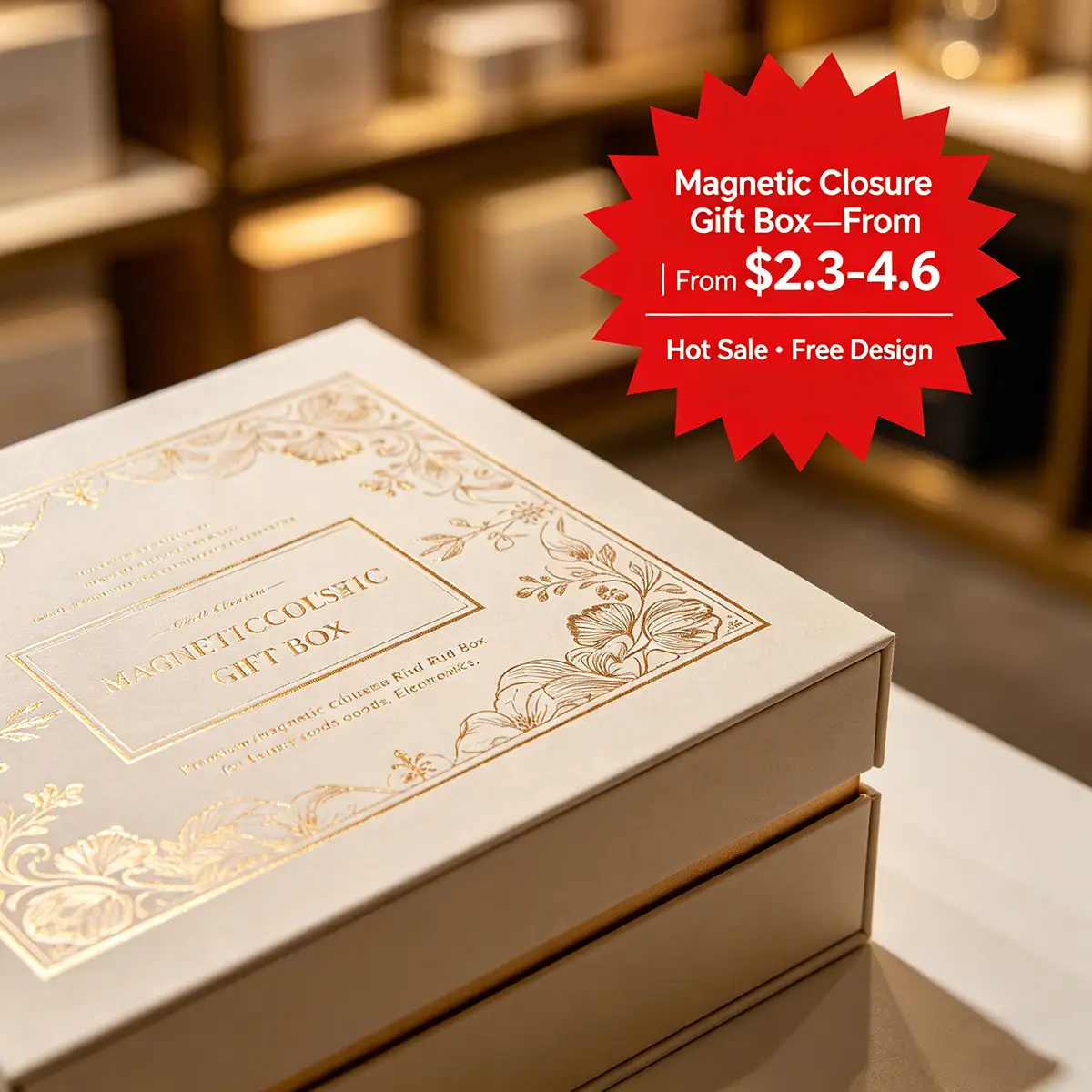
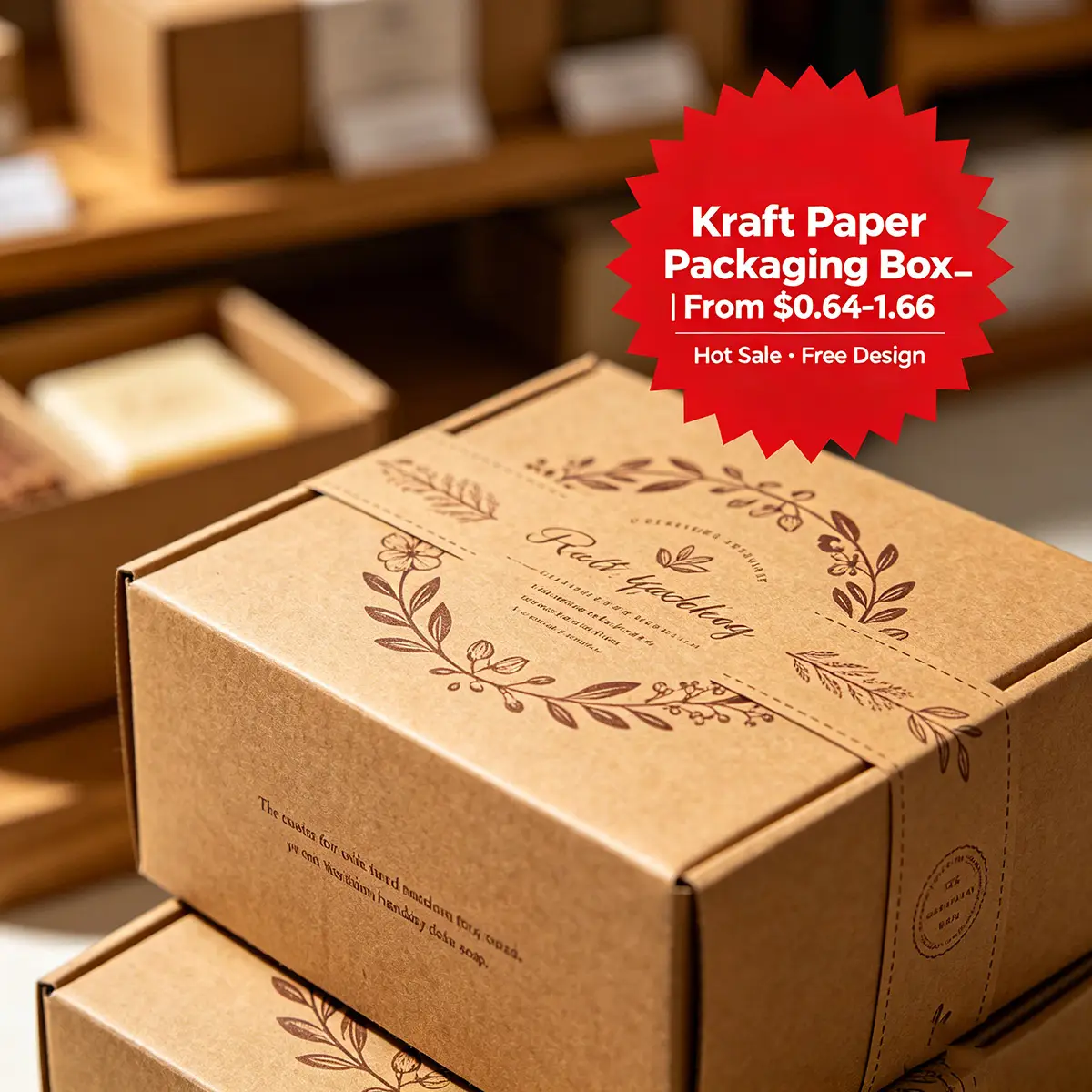
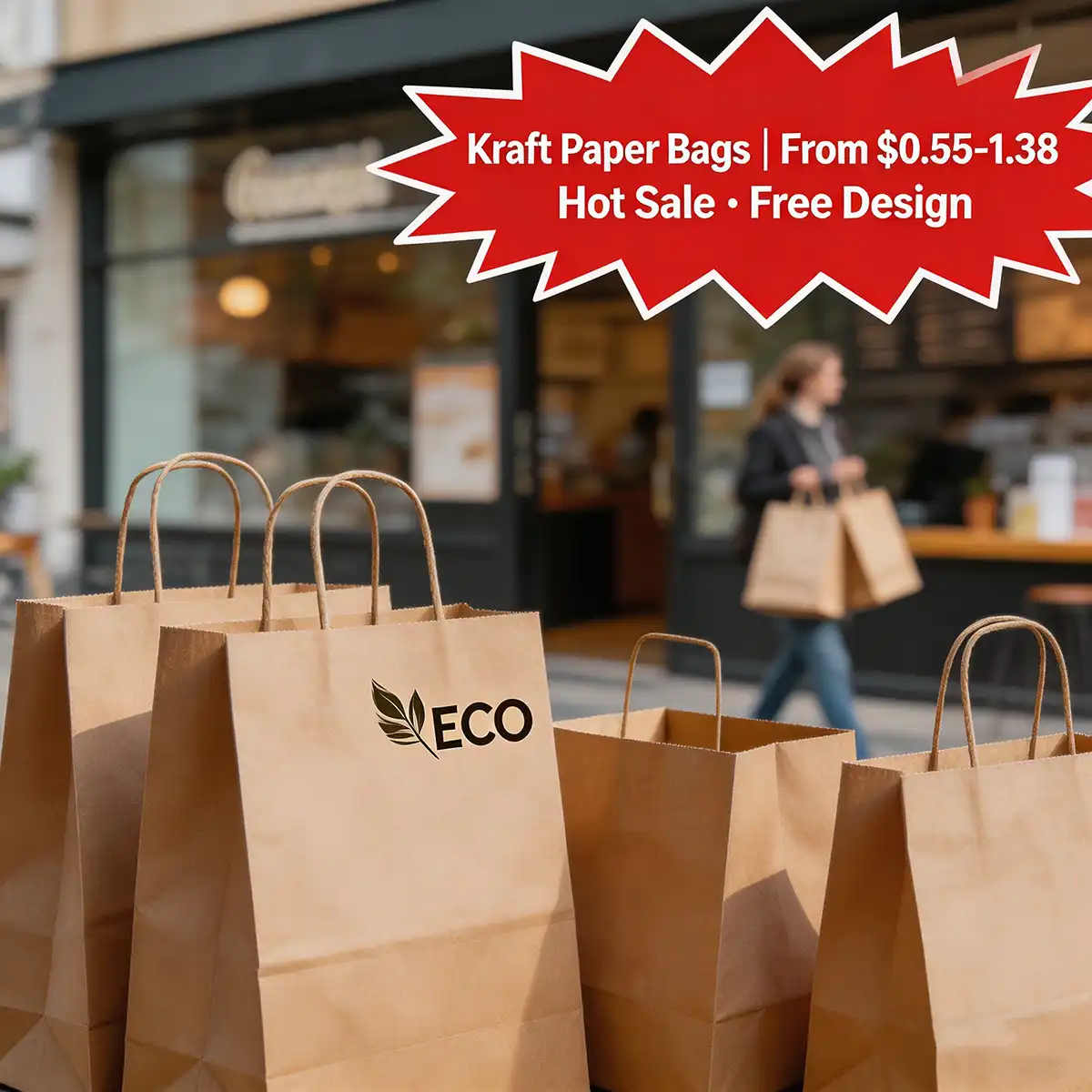
ZprintPro delivers end-to-end food packaging printing across food boxes, folding cartons, kraft paper bags, and food-grade stickers, all using FDA / EU / GB certified materials. From 50 pcs MOQ at HK$0.45/pc, 5-7 day production with DHL global 2-4 day delivery. Get a WhatsApp food packaging quote in 5 minutes or call +86 198 8085 1334.
Cross-Border Food Packaging Printing FAQ
Q1: Can food packaging directly contact food?
A: Only food-grade materials,PE / PLA lamination,food-grade ink (overall migration ≤ 10 mg/dm²) are permitted. ZprintPro materials all pass GB 4806.8-2022 mandatory Certification.
Q2: Which certifications does food packaging printing need?
A: For cross-border:,/ 2026/245,GB 4806.8-2022,LFGB (Germany),JFSL (Japan). ZprintPro ships all four certifications in one report pack.
Q3: How does the FDA 2026-10-01 rule affect existing suppliers?
A: From 2026-10-01, all U.S.-bound water-based ink suppliers must hold an ISO/IEC 17025 48-hour migration report,FCN filing number. Cross-border food brands should start supply-chain compliance audits now.
Q4: Is PLA eco packaging really biodegradable?
A: Genuine PLA achieves ≥ 90% biodegradation in 6 months under 58°C industrial composting (per EN 13432 / GB/T 38082-2019); ambient soil takes 24-36 months for chain scission. Authenticate PLA: wax-like melt drip on flame, ash ≤ 0.8%, no black smoke.
Q5: What is the MOQ and lead time for food packaging printing?
A: Standard sizes from 100 pcs, custom sizes 500 pcs; small batches support 5-7 day rush; bulk 7-10 day standard. DHL global 2-4 day delivery, sea freight 30-45 days.
Q6: How are customs duties calculated for cross-border food packaging?
A: U.S. personal imports under $800/day qualify for Section 321 duty-free. Commercial food VAT is typically 0-5%. FDA Prior Notice must be filed 2-8 hours before arrival. "Double-clearance tax-included" lines are simplest for SMB brands.
Data sources: (2026-07-03 revision) / EU Regulation 2026/245 (in for 2026-02-23) / GB 4806.8-2022 / Smithers Sustainable Food Packaging to 2045 with UPM / Stratistics MRC 2026 / VPA Research 2026 / Da Shan 2026 / China Packaging Federation Food Contact Materials Safety White Paper 2026 / SGS / REACH24H industry analysis. Last updated 2026-08-29.